September 28, 2009
A History of Biomedical Research
2009-2000 1999-1990 1989-1980 1979-1970 1969-1960 1959-1950
For more information relating to the history of biomedical research, check:
- A History of Pets Used in Experiments
- A History of Chimpanzees Used in Research
- A History of Pain and Distress in Research Animals
2002: The HSUS leads an animal protection coalition that successfully gained a formal voice at the Organization for Economic Cooperation and Development, which administers a test guidelines program that potentially affects millions of laboratory animals. The coalition is called the International Council for Animal Protection in OECD Programmes (ICAPO).
2002: The HSUS coordinates the Fourth World Congress on Alternatives and Animal Use in the Life Sciences, which draws several hundred scientists, animal protectionists, and others, who discuss the latest developments in alternative methods.
2002: Following an HSUS critique of the use of carbon dioxide euthanasia, the most common procedure for euthanizing mice and rats used in research, the NIH publishes official guidance on the practice.
2002: The HSUS expands the Animals and Society course awards program by recognizing innovative courses that do not fit readily into new or existing course categories but which are also exemplary in handling issues concerning the relationship between humans and animals.
1999: The HSUS documents the rise in animal ethics courses offered at American universities, and launches the annual Animals & Society Course Awards program to encourage the development of university courses that have a focus on animal protection.
1999: The HSUS and its coalition partners succeed in gaining the introduction of federal legislation (S. 1495) to enhance the federal government's process for reviewing and approving alternative testing methods.
1999: The HSUS releases 42 Ways to Help Animals in Laboratories, a booklet for animal activists.
1999: The HSUS helps to organize the Third World Congress on Alternatives and Animal Use in the Life Sciences, Bologna, Italy.
1997: The HSUS establishes the Inter-Campus Animal Advocacy Network (I-CAAN), linking student activists at all levels to help them share ideas and strategies, recruit members, carry out campaigns, and otherwise help animals.
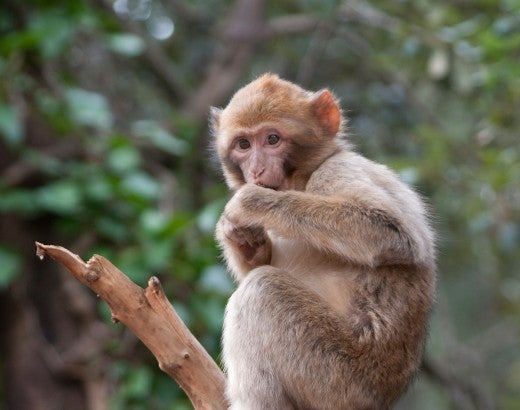
1996: The HSUS's criticism of NASA's BION mission, which sent monkeys into space, helps lead Congress to reevaluate its funding of this inhumane and wasteful project, which was terminated a year later.
1996: The HSUS plays a significant role in launching Altweb, an Internet resource with information on alternative methods.
1996: The HSUS helps to organize the Second World Congress on Alternatives and Animal Use in the Life Sciences, Utrecht, Netherlands.
1995: The HSUS and the Gillette Company launch a funding program for alternative methods to animal testing.
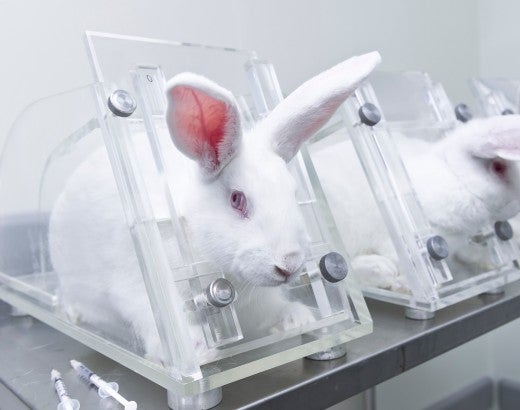
1995: The HSUS sponsors an international workshop to discuss the latest developments in alternatives to the infamous Draize eye irritancy test in rabbits.
1993: The HSUS helps lobby for the creation of the Interagency Coordinating Committee for the Validation of Alternative Methods (ICCVAM), which now serves as the federal government's focal point for promoting alternatives testing methods.
1993: The HSUS helps organize the First World Congress on Alternatives.
1992: The HSUS files an administrative petition with the USDA, urging the agency to issue meaningful annual reports on the use of animals in research, and we continue to push this issue.
1991: The HSUS and co-plaintiffs win a lawsuit that challenges the USDA's exclusion of mice, rats, and birds from the protection of the Animal Welfare Act.
1991: The HSUS establishes the annual Russell and Burch Award to recognize extraordinary scientific achievements in advancing alternatives to the use of animals in research, education, and testing.
1990: Following the submission of an HSUS administrative petition, the USDA decides to begin regulating the use of the hundreds of thousands of mammalian farm animals (e.g., pigs) involved in biomedical research, under the Animal Welfare Act.
1990-1985: The HSUS plays a major role in pressuring the USDA to issue strong regulations under the 1985 amendments to the Animal Welfare Act.
1987: The HSUS issues its survey, "The significance of alternative techniques in biomedical research: An analysis of Nobel Prize awards," documenting the historical importance of non-animal methods in biomedical progress.
1986: The HSUS issues a comprehensive report on "Alternatives to Current Uses of Animals in Research, Safety Testing, and Education: A Layman's Guide."
1985: The Dole-Brown amendments to the Animal Welfare Act are signed into law after years of work by HSUS board member Robert Welborn and HSUS staff.
1983: An HSUS exposé of the suffering endured by dogs and cats in the U.S. Department of Defense's wound laboratories lead the DoD to end that line of experimentation.
1981: HSUS staff testify at a federal hearing deliberating proposed legislation to improve the Animal Welfare Act and alternative methods of research.
1989-1980: The HSUS was the leading force in fighting pound seizure (the taking of dogs and cats from animal shelters for use in experiments), spearheading the formation of a national coalition of animal protection organizations and working with local organizations around the country.
1985-1980: An HSUS scientist served on an advisory panel that helped shape the Congressional Office of Technology Assessment's landmark 1986 report on "Alternatives to Animal Use in Research, Testing, and Education."
1980: Institute for the Study of Animal Problems holds a symposium on "Non-human Primate Use and Husbandry in Biomedical Facilities."
1978-1976: The HSUS begins hiring scientific/medical professionals and forms the Institute for the Study of Animal Problems to address technical issues in animal welfare.
1975-1973: The HSUS takes legal action to force the Department of Defense to disclose military usage of animals.
1966: A raid on a dog dealer's premises by an HSUS agent and the Maryland State Police, illustrated in a Life magazine story, plays a significant role in the enactment of the federal Laboratory Animal Welfare Act of 1966.
1963: HSUS Board member Cleveland Amory's article in the Saturday Evening Post levels a serious indictment of laboratory animal care in the United States.
1962: HSUS founder Fred Myers testifies before Congress and appears on NBC's Today Show to discuss pending federal legislation.
1961: The HSUS publishes an exposé book, Animals in a Research Laboratory.
1961: The HSUS releases a statistical study documenting the overuse of animals in published experiments and promoting ways to reduce animal numbers.
1961: The HSUS sponsors and supports its first federal bill on laboratory animal usage.
1958: An HSUS investigator takes a job as an animal caretaker at the College of Medical Evangelists, which leads to The HSUS filing a formal complaint against the California laboratory.
1957-1956: The HSUS plans and begins its first investigation of animal treatment in an experimental laboratory.
1955: The year after The HSUS was founded, the organization publishes the first issue of its magazine, with a lead story on the fight to relieve the suffering of laboratory animals.
Help stop the construction of a monkey breeding faciltiy in Puerto Rico Take Action