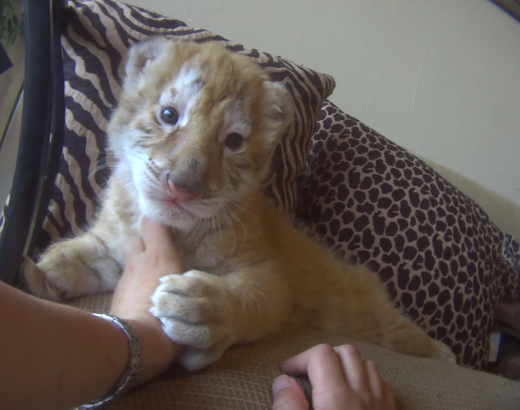
Cloning once seemed like science fiction, but its use is rapidly expanding. Despite serious animal welfare concerns, public opposition, and lack of data on human health effects: farm animals are cloned for food production, pets are cloned in an attempt to replace a beloved companion, and an increasing number of animals are being cloned for biomedical research.
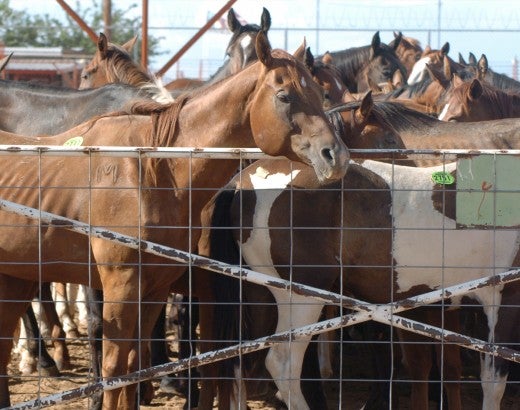
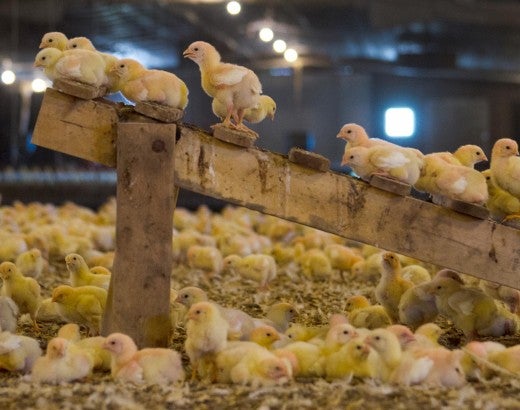
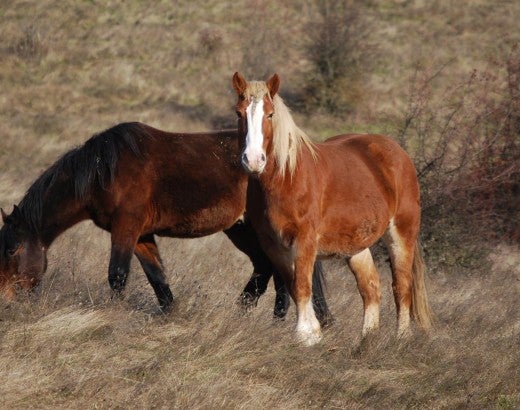
The Animal Welfare Act does not cover farm animals used in cloning or agricultural research. This lack of oversight has consequences. Dolly, the first cloned farm animal, born in 1996, lived for a mere 6 years fraught with serious health problems. She was the only successful birth out of 277 attempts involving 13 surrogate mothers. Since then, the welfare of cloned farm animals has not improved, yet cloned animal products are now on store shelves. We can all help end abuse of farm animals by making stores and food companies aware that the majority of U.S. consumers are opposed to cloning.
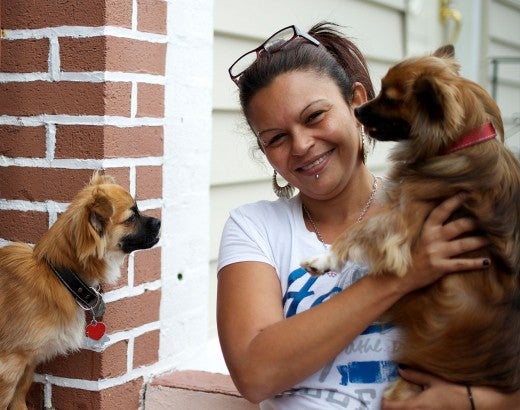
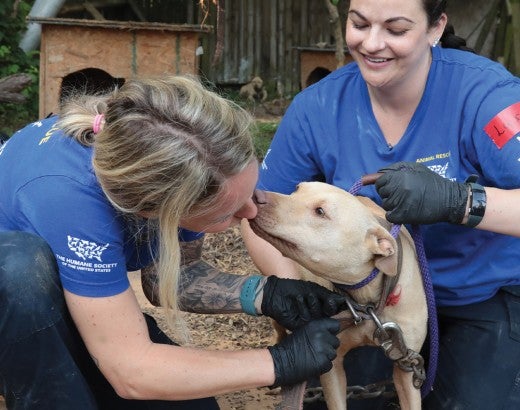
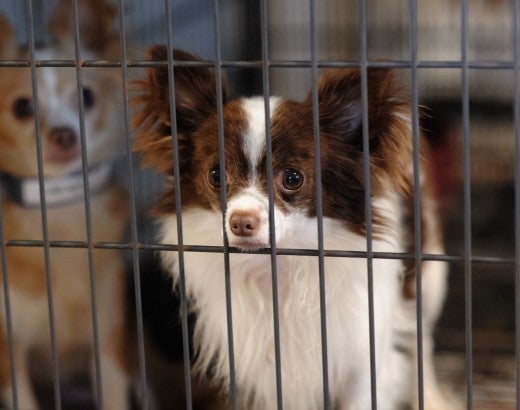
The pet cloning industry targets grieving pet owners who desperately want their pet alive again. If the cloned animal survives, they may not even physically resemble the deceased pet yet alone replicate their unique and endearing traits. Our companion animal friends are irreplaceable. We can best honor them by helping local shelter animals find loving, safe homes.
You Can Help
Check out our list of top ten ways to help animals in laboratories. TAKE ACTION »
News & Events
-
April 28, 2011
Behind Closed Doors: The Human Toll of Animal Research
Former research employees describe the emotional impact of their work.
-
January 28, 2011
Scientists, Apply Now for Animal Alternatives Award
Nominations are currently being accepted for the 2011 Russell and Burch Award, which will be given to a scientist who has made outstanding contributions to animal alternative methods in the areas of biomedical research, testing or higher education.
Our Victories
-
January 22, 2013
Expert Advisory Panel Confirms Chimpanzee Retirement from Laboratories to Sanctuary is the Way Forward
The HSUS commends the expert recommendations proposed to the National Institutes of Health by its independent advisory body, the Council of Councils, regarding chimpanzee research and retirement.
-
January 9, 2013
Gilead Sciences, Inc. Praised for Commitment on Chimpanzee Research
The Humane Society of the United States applauds Gilead Sciences, Inc., a biopharmaceutical company headquartered in Foster City, Calif., for agreeing to not use chimpanzees for research and development.
-
December 27, 2012
Wayne's Blog: Our Biggest Animal Stories of 2012
HSUS President and CEO Wayne Pacelle reveals The HSUS' list of top animal stories covered by the news media in 2012.
-
December 20, 2012
HSI/Canada Celebrates Canadian Transportation Agency Decision Confirming Air Canada’s Right to Refuse Shipments of Primates for Research
Humane Society International/Canada, Animal Alliance of Canada and Justice for Animals welcome a ruling by the Canadian Transportation Agency, confirming the right of Air Canada to refuse the live shipment of primates destined for laboratories, where they would be for toxicity testing, research or other harmful laboratory experiments.