-
September 16, 2010
Wildlife Services' War on Wildlife
The U.S. Department of Agriculture’s Wildlife Services program spends millions of taxpayer dollars to kill as many as 100,000 wild carnivores annually. There are often humane alternatives to this ineffective, cruel, and expensive slaughter.
-
September 15, 2010
Help Outlaw the Poisoning of Wildlife
Tell USDA head Vilsack that the Wildlife Services program must stop poisoning of wildlife Compound 1080 and the cyanide-loaded M-44.
-
September 15, 2010
Humane, Effective Predator Control
Humane tactics for keeping predators from killing livestock are cheaper and more successful than lethal methods.
-
August 6, 2010
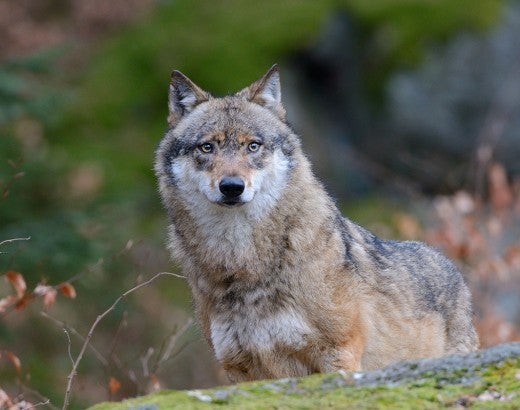
Federal Court Reinstates Federal Wolf Protections
In a victory for the gray wolves of the northern Rockies, a federal judge today granted conservationists’ request to stop the slaughter of wolves and reinstate federal Endangered Species Act protections.
-
July 27, 2010
On the Ground at the Thunder Basin Prairie Dog Relocation Project
Read a first-hand account of the beginning days of the Thunder Basin prairie dog relocation project--a collaboration between animal groups and the U.S. Forest Service to save hundreds of prairie dogs from poisoning.
-
July 14, 2010
The HSUS Urges Halt to Goose Slaughter
The HSUS calls on New York officials to immediately halt its program to kill resident Canada geese and work instead on a nonlethal plan.
-
June 18, 2010
The HSUS Condemns Delavan Township’s Decision to Round Up and Kill Canada Geese
The HSUS condemns the decision to round up and gas 250 geese and goslings in Delavan Township, Wis.
-
June 18, 2010
The HSUS Condemns Mount Laurel Township’s Decision to Round Up and Kill Canada Geese
The HSUS condemned the announcement that USDA’s Wildlife Services will round up and gas 100 geese and goslings in Mount Laurel Township, N.J.
-
May 21, 2010
A Win for the Geese!
On May 12, 2010, Madison, Wisc. park commissioners decided to halt the kill of Canada geese and study alternatives to lethal methods to control thier numbers.
-
May 11, 2010
A Reprieve for Cape Cod Crows
In the wake of enormous public opposition to the proposed plan, the National Park Service (NPS) recently decided to cancel plans to poison crows on the Cape Cod National Seashore. The agency attempted to justify using the poison as part of an effort to protect a federally threatened shorebird, the piping plover, and claimed that use of the poison was authorized under an existing shorebird management plan.
-
May 4, 2010
‘Birth Control’ for Pigeons Now Available Without a Prescription
The HSUS praised the decision by the Environmental Protection Agency to remove the “restricted-use” classification for OvoControl P, a promising birth control agent for use in pigeons.
-
April 16, 2010
Meet the Muscovy Duck
Muscovy ducks, native to Central and South America, were one of very few animals domesticated in the New World. Abandoned domesticated muscovy ducks live wild where the climate is agreeable as in the southeastern states, especially Florida.
-
April 16, 2010
New Rules for Muscovy Ducks
On the same day they gained federal protection, muscovies became subject to a USFWS Control Order. Wildlife agencies and property owners are allowed to “control” free-ranging muscovy ducks anywhere except three Texas counties (where they are considered naturally occurring).
-
April 5, 2010
Easter Egg Hunt
Volunteers launched the Canada goose egg addling season in Olney, Maryland, April 4, 2010. This is our sixth season at this site and our tenth season in Montgomery County, Maryland.
-
February 2, 2010
The HSUS Praises Officials for Halting Unlawful Expansion of Hunting at National Wildlife Refuge in Delaware
The HSUS welcomed a decision from the Fish and Wildlife Service to cancel a new, illegal migratory bird hunting program at Prime Hook National Wildlife Refuge in Delaware.
-
February 1, 2010
Feb. 2 Celebrated as Prairie Dog Day in Western United States
In western states, wildlife groups are calling attention to the prairie dog by observing Feb. 2 as Prairie Dog Day.
-
January 29, 2010
Let's Hear It for Prairie Dogs
It’s time to give Punxsutawney Phil’s western cousins their due and celebrate another furry, burrowing rodent: the prairie dog of the Great Plains and Intermountain West. Let’s make February 2 Prairie Dog Day in the West.
-
January 6, 2010
The Plight of the Prairie Dog
A new partnership between The HSUS and The Prairie Dog Coalition tries to help threatened prairie dogs in South Dakota's Conata Basin
-
November 30, 2009
The HSUS Offers Reward in Owl Trapping Case
The HSUS is offering a $2,500 reward for information leading to the arrest and conviction of the person or persons responsible for illegally catching a federally protected barred owl in a leghold trap in Connecticut.
-
November 19, 2009
Hitch a Ride in Wild Horse Country
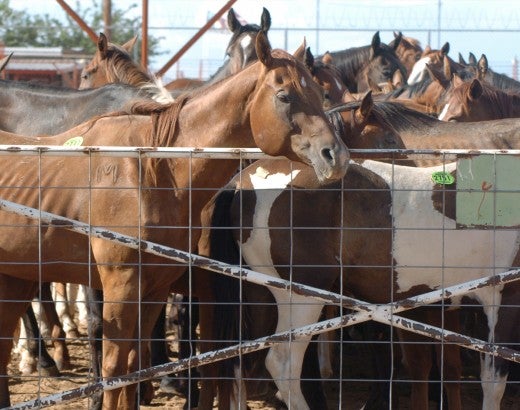
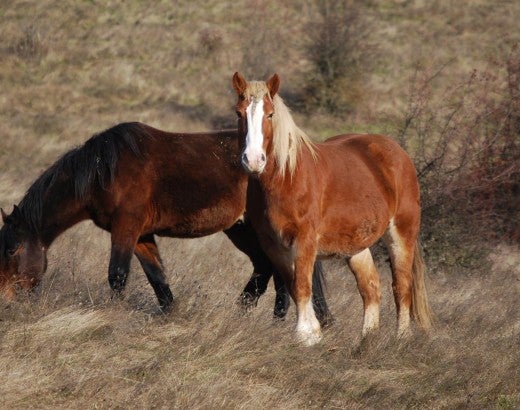
The HSUS and the Certified Pre-Owned Land Rover LR3 tackle the desert landscape to monitor and control the wild horse population.
-
November 9, 2009
Activists’ Toolkit To Fight Bear Hunting
These resources will help you take action to stop specific abuses of bears.
-
November 5, 2009
The HSUS Urges Westchester County to Cancel Bow Hunt of Deer
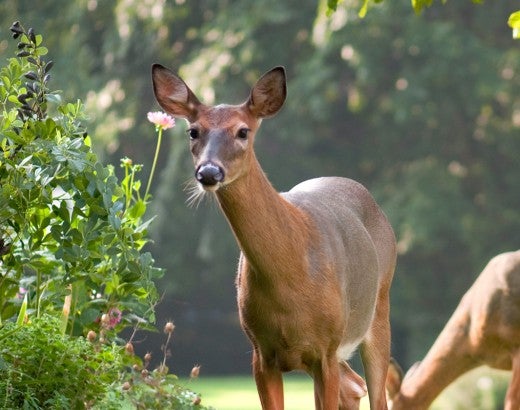
In a letter to Westchester County, N.Y., Executive Andrew Spano, The Humane Society of the United States voiced disappointment over plans to allow bow-hunting of deer in two county parks beginning Saturday.
-
October 25, 2009
Frequently Asked Questions about Maryland's Mute Swan Policy
For the last four years, over the vehement objections of its citizens, the Maryland Department of Natural Resources (DNR) has slaughtered adults and cygnets in the Chesapeake Bay, claiming it was necessary to stop the birds from eating Submerged Aquatic Vegetation (SAV), which is their natural food.
-
October 18, 2009
Humanely Reducing Agricultural Damage by Wildlife
Humane, non-lethal methods of reducing wildlife damage are often more effective than shooting or trapping so-called nuisance wildlife.
-
October 3, 2009
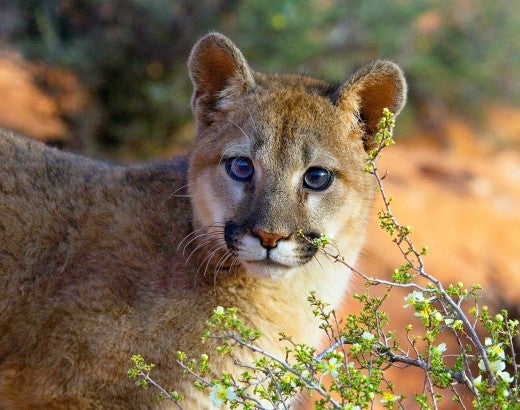
What to Do About Cougars
Cougar populations are relatively small—largely due to persecution and habitat loss—but as people move further into cougar country, sightings of these solitary big cats are on the rise.