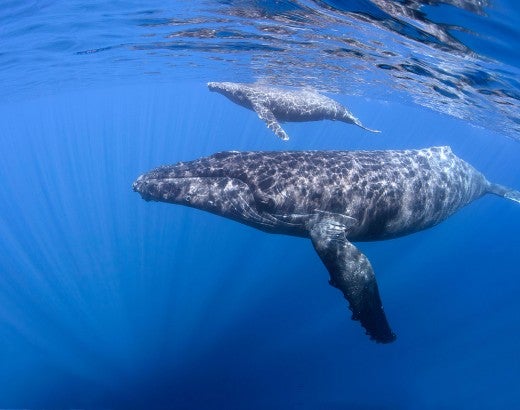
When marine mammals end up live or dead on beaches or in shallow water, we call it “stranding.” They may be sick from disease or pollutants, or they may be disoriented. Some recover, while many others die.
For centuries, humans have tried to figure out why these strandings occur. In the case of a single animal, it is often due to sickness or old age. Mass strandings, which typically involve “social” species, like dolphins and pilot whales, are more puzzling.
A federal program funds the studies necessary to determine the cause of strandings. With Congress currently seeking ways to cut budgets, money for stranding response is on the line.
Stranding response not only saves the lives of dolphins and whales; it can help safeguard human health. A few years ago, the stranding program discovered that sea lions were dying due to a toxic organism in the food they were eating—food that humans eat as well.
Marine mammals can be an early warning of problems in the ocean ecosystem on which both they and we depend. You can help by letting your elected officials know that you support funding this work.
If you find an animal stranded on a beach, call the police immediately.

Corbis
What Causes Strandings?
Scientists don't have all the answers yet, but family bonds, ocean geography, underwater acoustic testing, and toxins in their food supply may help explain why marine mammals strand themselves.
Learn MoreNews & Events
-
March 28, 2013
Saving the Whales in "Big Miracle"
"Big Miracle," inspired by historic whale rescue, shows the power of the human/animal bond and the power of media to help animals. It also tells a great story.
-
March 14, 2013
HSI y la HSUS Felicitan a las Partes de CITES por Decisión Final de Proteger Ciertas Especies de Tiburones y Mantarrayas del Comercio Internacional
Una delegación de Humane Society International y la Humane Society of the United States defendió más de 40 propuestas para proteger la vida silvestre de las amenazas que presenta la explotación comercial internacional durante la 16ta reunión de CITES en Bangkok.
-
March 16, 2012
Buffalo Exchange Helps Save Ocean Animals
In recognition of our work to protect marine life, Buffalo Exchange pledged all proceeds from the sale of items priced at one dollar during Buffalo Exchange’s Dollar Day Sale on Saturday, April 21, 2012, as donations to HSI and The HSUS.
-
September 29, 2010
Sen. Harry Reid Offers Package of Animal Welfare Measures on Senate Floor
The HSUS and the Humane Society Legislative Fund expressed appreciation for the leadership provided by Senate Majority Leader Harry Reid in pushing for passage of a series of bipartisan animal welfare measures on the Senate floor.
Our Victories
-
June 18, 2013
Federal Appeals Court Protects Polar Bears
Trophy hunters may not import polar bears from Canada, under a federal appeals court decision upholding a 2008 import ban.
-
May 16, 2013
California State Assembly Passes Groundbreaking Legislation to Require the Use of Non-Lead Ammunition in Hunting
Important legislation requiring the use of non-lead ammunition for hunting today passed the California State Assembly by a wide margin.
-
May 8, 2013
Court Upholds Calif. Law Preventing Cruel Trapping and Poisoning of Wildlife
A California court has upheld the constitutionality of Proposition 4, a 1998 state ballot measure banning use of cruel traps and poisons for the purpose of killing wildlife.
-
April 19, 2013
Arkansas Legislative Session a Success for Animals
The Arkansas State Legislature passed a number of animal protection bills that were signed into law by Gov. Mike Beebe this legislative session, receiving praise from The Humane Society of the United States.