October 16, 2009
The History of Spay Day

The history behind Spay Day
Created by the Doris Day Animal League in 1995, Spay Day became a program of The Humane Society of the United States when DDAL combined operations with The HSUS in 2006.
Spay Day is the first and only international day of action to promote the spaying or neutering of pets. During Spay Day, veterinarians and their staff, animal welfare professionals, business owners and citizens join forces nationwide and around the world to provide spay/neuter services and to promote spay/neuter as an effective and humane means of decreasing the euthanasia of homeless animals in shelters.
Why we celebrate Spay Day
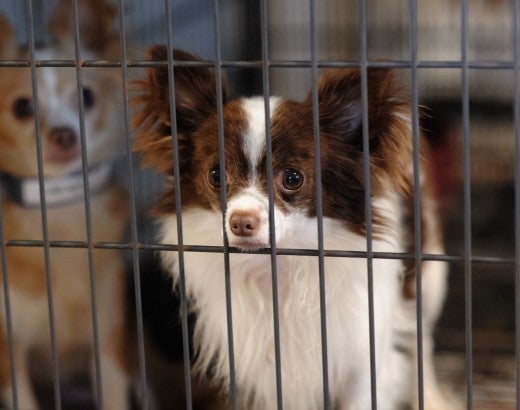
More than four million pets are put down in U.S. shelters each year. Approximately 3.7 million of these pets are cats and dogs. Often these animals are the offspring of cherished family pets, even purebreds. Maybe someone's pet got out just that one time or maybe the litter was intentional, but efforts to find enough good homes failed.
Spay/neuter is the only permanent, 100-percent effective method of birth control for cats, dogs, rabbits and other pets, and a proven way to reduce the vast numbers of animals who are born only to die prematurely and without a family who loves them. Learn more about why you should spay or neuter your pet.
Accomplishments
During Spay Day's first 15 years, participants spayed or neutered more than 1,457,200 animals. When you consider that an unspayed cat can give birth to 18 kittens each year and an unspayed dog can give birth to 20 puppies each year, and that the average cost for shelters to handle each homeless animal is $176, it's clear that Spay Day participants have, potentially, prevented millions of surplus births and saved millions of taxpayers' dollars.