September 30, 2009
Is PZP Safe? Immunocontraceptive Vaccines and Their Regulation
Porcine zona pellucida is reviewed to determine effects of drug

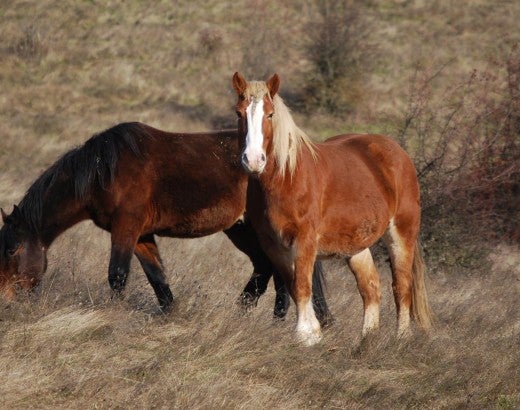
As a naturally occurring protein, PZP is biodegradable and does not pass through the food chain. In deer and wild horses, the best studied species, the contraceptive effects of PZP are reversible even after several consecutive years of treatment (in horses, up to at least five years). PZP vaccination has no effect on ongoing pregnancies, and the offspring of treated females survive and reproduce as well as the offspring of untreated females.
The side effects of PZP are very limited—and not all of them are bad. A small proportion (less than 2 percent) of deer and horses that receive PZP by dart can suffer from abscesses at the injection site.These are small (an inch or less across), and heal within a month. Female white-tailed deer, which typically mate in November and December, can go through repeated breeding cycles (as late as March) when treated with PZP. However, there is no evidence that this causes any harm to the PZP-treated female deer or to the the male deer who might pursue them. PZP does not extend breeding cycles in wild horses.
Both deer and wild horses treated with PZP actually show comparable or better body condition than females who continue to have offspring. In wild horses, at least, this improvement in condition actually leads to longer lifespans. On Assateague Island, there are PZP-treated mares approaching 30 years old, which is about two times the expected lifespan of wild horse mares.
Until about 2006, all animal contraceptives fell under the jurisdiction of the federal Food and Drug Administration. The HSUS and its collaborators studied PZP under the auspices of an Investigational New Animal Drug exemption from the FDA. (The INAD is the FDA's mechanism for authorizing and guiding research directed at moving new drugs through the approval process). However, jurisdiction over most wildlife contraception has passed to the Environmental Protection Agency, which will regulate wildlife contraceptives as "pesticides" under the Federal Insecticide, Fungicide, and Rodenticide Act. Although the legalistic designation of some of our favorite animals as "pests" and a life-extending contraceptive as a “pesticide,” are unfortunate and uncomfortable, this transfer of authority provides wildlife contraceptives with a more suitable and appropriate federal review process process—and most importantly, one that will allow us to quickly put contraceptives to work helping wildlife.